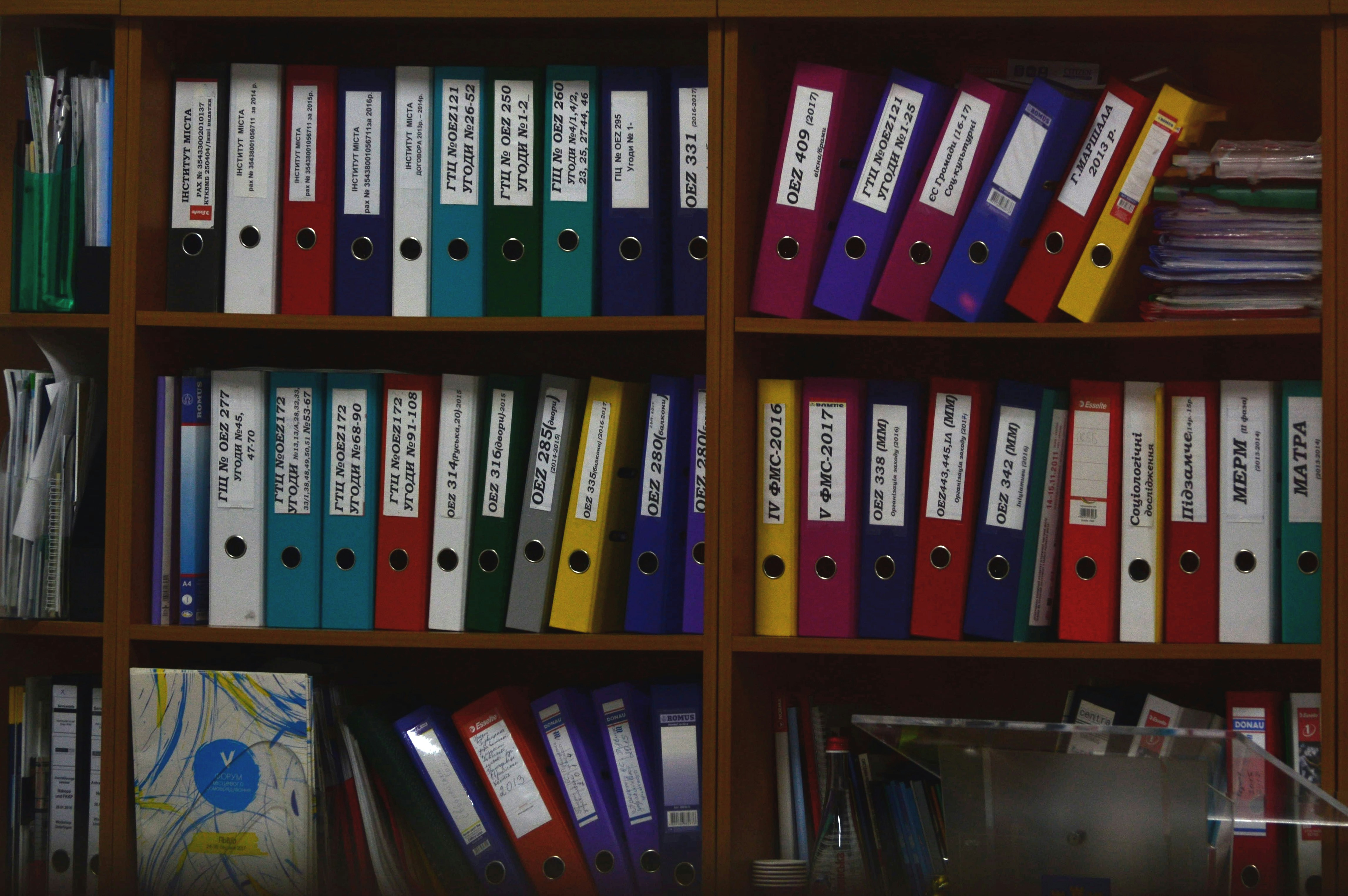
There’s a moment in crisis communications when everything hinges on a single question: can you prove it? Not just explain it. Not just claim it. Prove it.
In my work in crisis communications, stakeholder engagement and reputation management, nothing makes me happier than a client who has robust data at their fingertips. Certificates. Training records. Audit trails. Compliance documentation. Quality assurance reports.
Because when a crisis hits, those files aren’t just paperwork. They’re what allow you to challenge.
The right to reply that changed everything
I once worked with a client who received a right to reply from a national newspaper. An article was being written that could have severely damaged the organisation’s reputation. The kind of story that spreads fast, sticks around, and fundamentally changes how people perceive you. We didn’t have long to respond.
But here’s what made the difference: we had everything we needed. The client didn’t have to scramble to find records or reconstruct events from memory. Every relevant certificate was on file. Every training log was documented. Every process was backed up with evidence.
We didn’t just provide a statement. We provided proof.
The response was clear, factual, and backed by documentation the journalist could verify. We showed them exactly why their story didn’t hold up. We gave them enough substantiated information that they had to go back to their legal team. Twice.
In the end, the article was completely rewritten. The organisation wasn’t mentioned at all. That’s what good documentation can do. It doesn’t just protect you. It changes the narrative entirely.
Why documentation matters more than you think
When you’re facing media scrutiny, regulatory questions, or stakeholder concerns, your ability to respond robustly depends entirely on what you can substantiate.
“We take safety seriously” is a claim. “Here are our safety training records for the past three years, our third-party audit results, and our incident logs showing continuous improvement” is evidence. One is an assertion that invites scepticism. The other is a fact that’s difficult to dispute.
Strong documentation puts you in a position of strength. It allows you to push back when push back is warranted. It gives journalists, regulators, and stakeholders something concrete to work with rather than speculation or assumption.
And critically, it protects your people. When you can demonstrate that proper procedures were followed, training was completed, and standards were met, you’re not just defending the organisation. You’re defending the individuals who work there.
What robust documentation actually looks like
It’s not enough to have documents. They need to be the right documents, properly maintained, and genuinely accessible when you need them.
The organisations that handle crises well typically have:
Comprehensive training records. Not just certificates, but evidence of ongoing competency, refresher training, and skill development. Records that show training isn’t a tick-box exercise but an embedded part of operations.
Clear audit trails. Documentation that shows decision-making processes, risk assessments, and how issues were identified and addressed over time. The kind of records that demonstrate diligence and continuous improvement.
Up-to-date compliance documentation. Certificates, licences, accreditations, and third-party assessments that are current and readily available. Nothing undermines a defence faster than discovering your certification expired six months ago.
Incident and near-miss reporting. Records that show you don’t just react to problems but actively monitor for risks and learn from close calls. This demonstrates a mature safety culture rather than a reactive one.
Accessible systems. All of this is worthless if it takes three days and five different people to locate the relevant files. Documentation needs to be organised, searchable, and available to the right people when a crisis hits.
The internal dynamics that make it possible
But here’s what often gets overlooked: having great documentation is only half the battle. You also need the internal culture and relationships that allow you to use it effectively.
In the case I mentioned earlier, success didn’t just come from having the right files. It came from having a leadership team that understood reputational impact and valued it appropriately. They recognised that protecting the organisation’s reputation was worth the effort and potential cost of a robust response.
It came from strong working relationships across departments. Legal, operations, HR, and communications weren’t working in silos. We could pull together what we needed quickly because people understood why it mattered and were willing to help.
And it came from leadership that trusted their communications team to handle the response without micromanaging every word or second-guessing every decision.
When those elements align, when you have both the documentation and the organisational culture to back it up, you can respond to crises with confidence rather than panic.
The alternative
I’ve also seen the opposite. Organisations that can’t locate basic records. Leadership teams that view documentation as bureaucratic overhead rather than essential protection. Communications teams that must fight for access to information or approval to share it.
In those situations, even minor issues can spiral. You can’t push back because you can’t prove your case. You end up responding defensively because you’re operating from a position of weakness. And journalists, regulators, or stakeholders sense that weakness and press harder.
The article runs. The reputation takes the hit. And afterwards, everyone wonders why the response wasn’t stronger.
The answer is usually simple: you can’t defend what you can’t demonstrate.
Start before the crisis
The time to get your documentation in order isn’t when you’re staring at a right to reply deadline. It’s now, when there’s no immediate pressure and you can do it properly.
Ask yourself: if you had to prove your organisation’s competence, compliance, and commitment to doing things properly, could you? Not in theory, but in practice. Could you access and provide that evidence within hours?
If the answer is anything other than a confident yes, that’s your vulnerability.
Because in a crisis, documentation isn’t just helpful. It’s the difference between defending your reputation effectively and watching it take damage you can’t prevent.
And that difference can be enormous.
Strong documentation doesn’t just protect you in a crisis. It puts you in a position to push back, correct the narrative, and emerge with your reputation intact. But only if you have it ready before you need it.


Leave a Reply